
Deepfake Attack Simulation (Deepfake-as-a-Service)
Consent-Based Voice-Clone and Deepfake Video Testing for Organizations That Trust Faces
Scope a Deepfake Simulation Engagement- /
- /
- /
- /
- /
- /
- /
- /
- /
- /
- /
- /
- /
- /
- /
- /
- /
- /
- /
- /
- /
- /
What Is Deepfake-as-a-Service (DFaaS)?
VerSprite Deepfake-as-a-Service (DFaaS) is an offensive security engagement in which VerSprite’s red team builds consent-based voice clones and deepfake video of a real executive or vendor persona, then uses them against your actual people and approval workflows — wire transfers, help desk credential resets, vendor payment changes — to find out whether deepfake-driven social engineering would succeed.
Your wire approval process was never designed to survive a video call with your CFO’s face on it. Neither was your help desk’s identity verification script, your board’s emergency escalation chain, or the vendor onboarding workflow your finance team runs on autopilot. DFaaS tests those assumptions with the same voice-cloning and face-swapping techniques attackers already use.
This isn’t a tabletop exercise or a slide deck about “AI risk.” It’s a live, scoped attack against your real controls, followed by findings that show exactly which verification step failed and why.
- /
- /
- /
- /
- /
- /
- /
- /
- /
- /
- /
- /
- /
- /
- /
- /
- /
- /
- /
- /
- /
- /
DFaaS for Defenders vs. Criminal Deepfake-as-a-Service
In threat intelligence, “deepfake-as-a-service” also describes something else: turnkey voice cloning, face swapping, synthetic video, and fake identity documents sold to criminals on dark web marketplaces. That market is growing fast. NordStellar counted 924 dark web posts about deepfake-as-a-service between January and May 2026, up 39% year over year, and Group-IB has reported ready-made deepfake subscriptions selling for as little as $10–$50 a month.
That’s the point. When convincing impersonation costs less than a software subscription, the question isn’t whether your organization will be targeted, but whether your verification controls hold when it is. VerSprite’s DFaaS is the defensive counterpart: we simulate what criminal deepfake services sell, under consent and control, so you find the gap first.
- /
- /
- /
- /
- /
- /
- /
- /
- /
- /
- /
- /
- /
- /
- /
- /
- /
- /
- /
- /
- /
- /
Real Deepfake Attacks Against Businesses
Three widely reported 2024 cases show both how these attacks work and what stops them:
- Arup (early 2024): A finance employee in Arup’s Hong Kong office transferred roughly HK$200 million (about US$25 million) after a video call in which the company’s CFO and other colleagues were deepfakes. Every face on the call was synthetic.
- WPP (May 2024): Attackers set up a Microsoft Teams meeting using a WhatsApp account with CEO Mark Read’s photo, a voice clone, and YouTube footage, then pressed an agency leader to set up a new business. The attempt failed because the targeted executive didn’t comply.
- Ferrari (July 2024): An executive received WhatsApp messages and a call from someone impersonating CEO Benedetto Vigna with a convincing voice clone, asking for help with a confidential acquisition. The executive ended it by asking a question only the real CEO could answer.
The lesson isn’t that deepfakes always work. It’s that the outcome depended on whether a person applied a verification step — a callback, a challenge question, a refusal to act on an unusual request. DFaaS tests whether your people and processes apply those steps under realistic pressure.
- /
- /
- /
- /
- /
- /
- /
- /
- /
- /
- /
- /
- /
- /
- /
- /
- /
- /
- /
- /
- /
- /
Deepfake Attack Scenarios We Simulate
Every engagement is scoped to your workflows. Common scenarios include:
| Scenario | Delivery channel | Control under test |
|---|---|---|
| Cloned executive voice requests an urgent wire transfer | Phone call or voicemail | Out-of-band callback, dual approval |
| Face-swapped “CFO” on a video call approves a payment | Teams, Zoom, or Webex | Video-call authentication, payment policy |
| Cloned employee voice requests a password or MFA reset | Help desk phone line | Help desk identity verification script |
| Impersonated vendor requests a bank account change | Phone plus email | Vendor master-data change controls |
| Impersonated board member makes an “urgent, confidential” request | Voice or video | Executive and board escalation protocol |
| Synthetic persona with fabricated identity documents | Onboarding workflow | Identity document and onboarding review |
Attack narratives are grounded in documented real-world deepfake fraud patterns, and every persona, target, and channel is agreed with you before any attack runs.
- /
- /
- /
- /
- /
- /
- /
- /
- /
- /
- /
- /
- /
- /
- /
- /
- /
- /
- /
- /
- /
- /
How a DFaaS Engagement Works
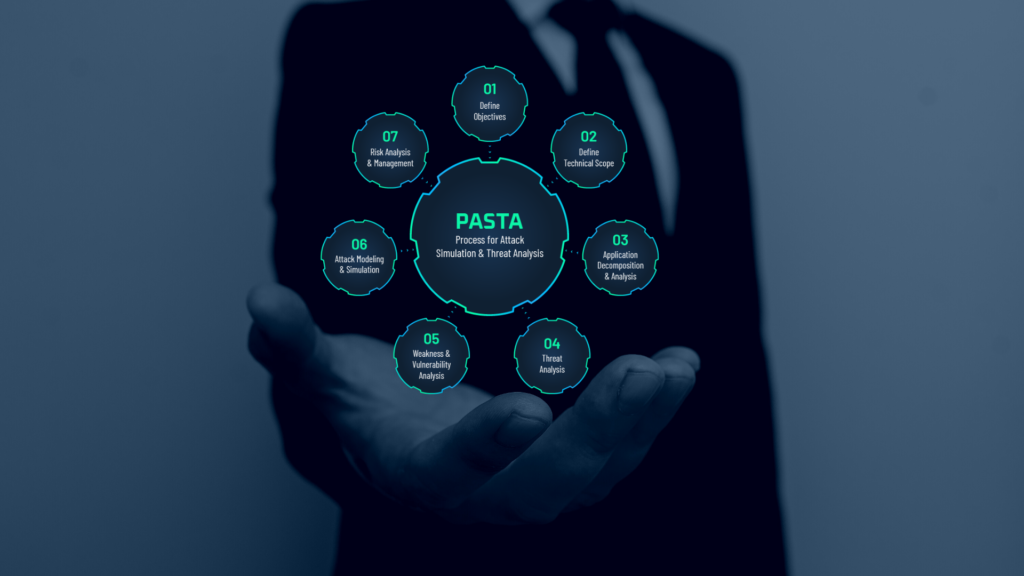
DFaaS engagements are scoped with PASTA, VerSprite’s risk-centric threat modeling methodology, so each simulated attack targets a workflow where failure has real financial or operational impact.
- Scope and authorize. We define objectives, target workflows, personas, and rules of engagement with your security, legal, and HR stakeholders, and obtain documented consent from every impersonated persona.
- Map the exposure. OSINT identifies how much public audio and video exists for each persona and which approval chains an attacker could realistically target.
- Build the assets. We create voice clones and deepfake video using DLC4P, VerSprite’s real-time deepfake face-swapping toolset built for red team operations, plus voice synthesis and OSINT-driven pretexts.
- Run the attacks. Live or recorded delivery against the agreed workflows, with every attempt and outcome documented.
- Analyze root cause. Each failure is traced to a process gap, a training gap, or a technology gap — not just “the deepfake looked convincing.”
- Report and close out. Executive and technical reporting, a remediation plan, and a documented chain of custody and destruction of all synthetic media.
- /
- /
- /
- /
- /
- /
- /
- /
- /
- /
- /
- /
- /
- /
- /
- /
- /
- /
- /
- /
- /
- /
What You Get
- Attempt-by-attempt outcomes tied to specific workflows and roles
- Root-cause analysis separating human-factor findings from technical-control findings
- Updated out-of-band verification procedures for finance, treasury, and help desk
- Input for Security Awareness Training built from your own engagement results
- Technical recommendations where call authentication, liveness detection, or biometric controls need hardening
- Findings mapped to MITRE ATT&CK Impersonation (T1656) and relevant regulatory guidance
- /
- /
- /
- /
- /
- /
- /
- /
- /
- /
- /
- /
- /
- /
- /
- /
- /
- /
- /
- /
- /
- /
Controls That Stop Deepfake Fraud
Organizations that defeat deepfake impersonation usually rely on process, not detection software alone. The controls DFaaS most often validates:
- Out-of-band verification: Confirm any payment, credential, or access request through a separate, known channel — call back a number on file, never the number that called you.
- Dual approval for high-value actions: No single person can move money or change vendor banking details based on a call or video.
- Challenge questions or code words: Pre-agreed verification for executives and assistants, the same principle that stopped the Ferrari attempt.
- Policy that urgency is a red flag: “Confidential,” “urgent,” and “don’t tell anyone” requests trigger more verification, not less.
- Help desk verification that doesn’t rely on voice: Resets tied to identity proofing, not to how familiar the caller sounds.
- Reduced executive exposure: Awareness of how much public audio and video exists for people with approval authority.
- /
- /
- /
- /
- /
- /
- /
- /
- /
- /
- /
- /
- /
- /
- /
- /
- /
- /
- /
- /
- /
- /
Frameworks and Guidance We Map To
- MITRE ATT&CK T1656 (Impersonation) — adversary impersonation of trusted parties to drive victim action
- FinCEN Alert FIN-2024-Alert004 — U.S. Treasury guidance on fraud schemes using deepfake media targeting financial institutions
- NIST SP 800-63-4 — digital identity guidelines, including identity proofing and verification
- ISO/IEC 30107-3 — presentation attack detection testing, relevant where liveness or biometric controls are in scope
- /
- /
- /
- /
- /
- /
- /
- /
- /
- /
- /
- /
- /
- /
- /
- /
- /
- /
- /
- /
- /
- /
Industries We Serve
- /
- /
- /
- /
- /
- /
- /
- /
- /
- /
- /
- /
- /
- /
- /
- /
- /
- /
- /
- /
- /
- /
What Sets VerSprite DFaaS Apart
- Built by offensive security practitioners, not AI vendors. DFaaS is run by VerSprite’s red team using DLC4P, not a third-party deepfake-detection product demo.
- Risk-driven, PASTA-aligned scoping. Every simulated attack is tied to a real business process and real financial or operational impact.
- Consent-based and controlled. Documented consent, tightly scoped delivery, and full destruction of synthetic media at engagement close.
- Integrated with your broader program. Findings feed directly into Penetration Testing as a Service (PTaaS), Red Teaming, and Security Awareness Training.
- /
- /
- /
- /
- /
- /
- /
- /
- /
- /
- /
- /
- /
- /
- /
- /
- /
- /
- /
- /
- /
- /
When DFaaS Is the Right Fit
DFaaS is a strong fit for organizations that move money or grant access based on voice or video confirmation; have executives, finance leaders, or public-facing staff with a significant public audio or video footprint; have never tested verification workflows against synthetic media; or are maturing an AI risk program and need evidence, not speculation, to prioritize investment.
Frequently Asked Questions
- /
- /
- /
- /
- /
- /
- /
- /
- /
- /
- /
- /
- /
- /
- /
- /
- /
- /
- /
- /
- /
- /
Related Services and Resources
- /
- /
- /
- /
- /
- /
- /
- /
- /
- /
- /
- /
- /
- /
- /
- /
- /
- /
- /
- /
- /
- /
Resources




Start Testing What Your Organization Actually Trusts
A deepfake doesn’t need to fool a machine; it needs to fool a person having a normal day. VerSprite Deepfake-as-a-Service shows you exactly where that happens, before an attacker does it for real.
