
Offensive Security Services
BlackHat Mindset to Emulate Real World Attacks
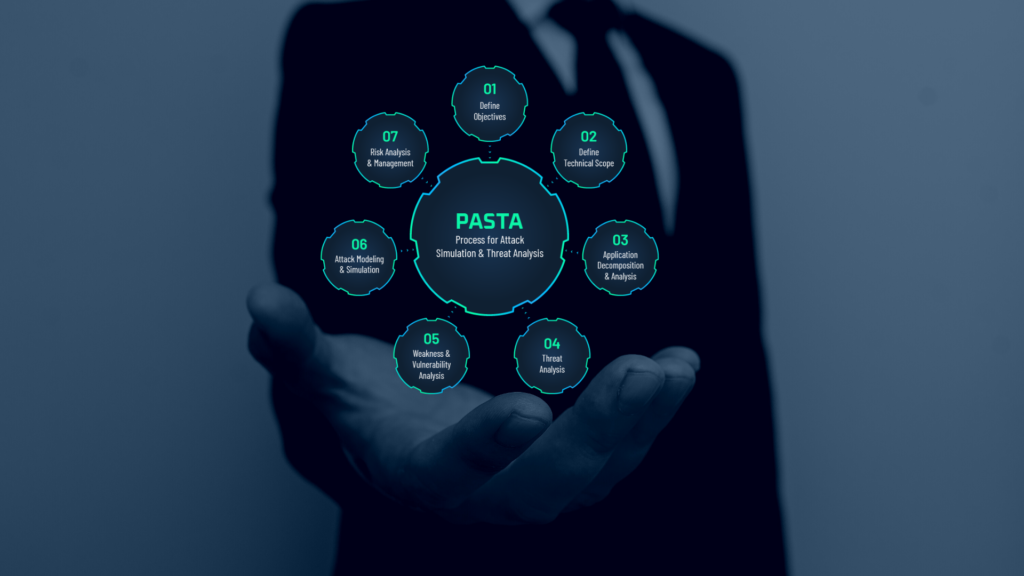
PTaaS, Red Teaming, Penetration Testing, AI Hacking, Application Threat Modeling
Build a Tailored Engagement or Service Model Today- /
- /
- /
- /
- /
- /
- /
- /
- /
- /
- /
- /
- /
- /
- /
- /
- /
- /
- /
- /
- /
- /
Modern offensive security requires more than one-time testing and tool-driven assessments. VerSprite’s offensive security services simulate realistic attacks across applications, APIs, cloud, mobile, and AI-enabled systems to identify exploitable weaknesses before attackers do.
Our approach combines adversarial testing with risk-based threat modeling so security findings are tied to likely attack paths, business impact, and remediation priorities. Instead of isolated results, your team gets a clearer view of how real threats could abuse your environment and where to focus first.
- /
- /
- /
- /
- /
- /
- /
- /
- /
- /
- /
- /
- /
- /
- /
- /
- /
- /
- /
- /
- /
- /
Why VerSprite for Offensive Security
Many offensive security programs still rely on inconsistent methodologies, overly narrow scopes, or checklist-style testing. VerSprite takes a different approach by grounding offensive engagements in credible threats, attacker behavior, and business risk.
Our offensive security services help organizations:
- Validate real-world attack paths across applications, infrastructure, cloud, and mobile
- Prioritize vulnerabilities based on exploitability and business impact
- Align security testing with development cycles and product changes
- Improve resilience through threat-informed remediation
- Support security programs with adversarial testing tied to threat modeling
- /
- /
- /
- /
- /
- /
- /
- /
- /
- /
- /
- /
- /
- /
- /
- /
- /
- /
- /
- /
- /
- /
Offensive Security Services We Offer
AI Hacking Services
AI systems introduce new attack surfaces that traditional security testing often misses. VerSprite’s AI Hacking Services assess real-world weaknesses in machine learning and generative AI systems, including misuse, abuse cases, and adversarial behavior.
Our AI security testing can evaluate:
- LLM application security
- Prompt injection and jailbreak testing
- Model misuse and abuse scenarios
- Data leakage and insecure integrations
- AI-enabled application penetration testing
- Risk exposure across AI workflows, APIs, and business logic
Learn more about AI Hacking Services
Penetration Testing as a Service (PTaaS)
Penetration Testing as a Service gives organizations a continuous, on-demand testing model that keeps pace with agile development, cloud-native infrastructure, and evolving attack surfaces. Rather than waiting for annual assessments, PTaaS helps teams identify and remediate vulnerabilities throughout the year.
PTaaS is a strong fit for organizations that need:
- Ongoing offensive security validation
- Testing aligned to releases and product changes
- Faster remediation cycles
- Recurring visibility into exploitable risk
- Better collaboration between engineering and security teams
Explore PTaaS
Red Teaming
Red teaming simulates realistic adversary campaigns to test whether security controls, detection, and response processes stand up under pressure. These engagements go beyond individual vulnerabilities to evaluate how an attacker could move through your environment and achieve objectives.
Red teaming can help your organization:
- Validate detection and response capabilities
- Test security operations under realistic conditions
- Simulate credential abuse, fraud, ransomware, and lateral movement
- Measure resilience across cloud, API, web, and hybrid environments
- Expose attack paths missed by isolated assessments
Learn more about Red Teaming
Penetration Testing
Penetration testing is a controlled security assessment that identifies exploitable weaknesses in applications, APIs, networks, cloud environments, and supporting systems. VerSprite tailors pen testing to each organization’s architecture, risk profile, and business objectives.
Our penetration testing services support:
- Web application penetration testing
- API security testing
- External and internal penetration testing
- Cloud security testing
- Product and platform security assessments
- Risk-prioritized remediation guidance
Learn more about Penetration Testing
Mobile Security Testing
Mobile applications remain a high-value target across iOS, Android, and hybrid environments. VerSprite’s mobile security testing services help identify weaknesses in mobile apps, APIs, authentication flows, local storage, transport security, and business logic.
Mobile security testing may include:
- Mobile application penetration testing
- Source code analysis
- API and backend validation
- Threat modeling for mobile ecosystems
- Testing for iOS, Android, and hybrid applications
- Risk-based remediation guidance
Explore Mobile Security Testing
Application Threat Modeling
Threat modeling strengthens offensive security by defining what matters most before testing begins. VerSprite uses threat modeling to identify likely attackers, plausible abuse cases, trust boundaries, attack paths, and the business impact of compromise.
Application threat modeling helps teams:
- Prioritize what to test and why
- Focus offensive testing on realistic attack scenarios
- Improve security architecture decisions
- Reduce wasted effort on low-value findings
- Connect technical results to business risk
Learn more about Application Threat Modeling
Our Threat-Informed Approach
VerSprite approaches offensive security from both the business and attacker perspectives. Instead of simply identifying technical weaknesses, we analyze how threats could realistically exploit them, what attack paths are viable, and how those scenarios translate into operational or financial impact.
This threat-informed model helps organizations move from finding vulnerabilities to reducing risk. It also makes offensive security more useful to security leaders, engineering teams, and product owners who need clearer remediation priorities and stronger alignment with business objectives.
- /
- /
- /
- /
- /
- /
- /
- /
- /
- /
- /
- /
- /
- /
- /
- /
- /
- /
- /
- /
- /
- /
Industries We Support
VerSprite delivers offensive security services across industries where cyber risk has direct operational, financial, privacy, or safety implications.
Financial Services & FinTech
Assess attack paths across banking platforms, payment systems, financial APIs, and fraud-prone user flows.
-
Simulate real-world attacks against banking platforms, payment systems, and financial APIs
-
Identify exploitable vulnerabilities across web, mobile, cloud, and hybrid environments
-
Emulate fraud, account takeover, and advanced adversary tactics targeting financial assets
-
Deliver actionable remediation guidance to reduce breach and regulatory risk
Healthcare & Life Sciences
Evaluate vulnerabilities affecting clinical systems, ePHI exposure, connected technologies, and operational resilience.
-
Simulate targeted attacks against clinical systems and environments processing ePHI
-
Identify vulnerabilities across web applications, networks, and connected medical technologies
-
Emulate ransomware and data exfiltration campaigns impacting patient care
-
Provide prioritized remediation strategies to strengthen operational resilience
SaaS & Technology Providers
Test cloud-native platforms, multi-tenant systems, APIs, CI/CD workflows, and authentication models.
-
Conduct adversary emulation across cloud-native, multi-tenant, and production environments
-
Identify exploitable weaknesses in APIs, authentication systems, and CI/CD pipelines
-
Simulate advanced threat activity targeting customer data and intellectual property
-
Deliver risk-prioritized remediation to enhance product security and customer trust
Retail & E-Commerce
Simulate credential abuse, payment fraud, data theft, and attacks against high-volume customer-facing applications.
-
Simulate credential abuse, payment fraud, and large-scale data breach scenarios
-
Identify vulnerabilities across e-commerce platforms, mobile apps, and third-party integrations
-
Emulate ransomware and supply chain compromise impacting high-traffic environments
-
Provide remediation insights to protect revenue, availability, and brand reputation
Manufacturing & Critical Infrastructure
Assess likely attack paths across converged IT and operational technology environments where downtime and disruption are material risks.
-
Simulate targeted attacks across IT and operational technology environments
-
Identify exploitable weaknesses impacting production systems and supply chains
-
Emulate advanced persistent threat tactics targeting industrial sectors
-
Deliver prioritized security improvements to protect uptime and operational safety
- /
- /
- /
- /
- /
- /
- /
- /
- /
- /
- /
- /
- /
- /
- /
- /
- /
- /
- /
- /
- /
- /
PTaaS vs Penetration Testing vs Red Teaming
Organizations often ask which offensive security model fits their needs.
- PTaaS is best for continuous validation and recurring testing aligned to releases or platform changes.
- Penetration Testing is best for focused assessments of specific systems, applications, APIs, or environments.
- Red Teaming is best for realistic adversary simulation that measures detection, response, and organizational readiness.
- Threat Modeling helps define which attack paths matter most so testing effort is prioritized around real risk.
- AI Hacking Services are best when AI systems, LLMs, or machine learning features create a new attack surface that needs specialized testing.
Frequently Asked Questions
- /
- /
- /
- /
- /
- /
- /
- /
- /
- /
- /
- /
- /
- /
- /
- /
- /
- /
- /
- /
- /
- /
Resources












We’re Not a Vendor
We’re Your Security Partner
- Risk-centric security
- True extension of your team
- Executive-level experience
