
Advanced MSS & MDR Service
24/7 Managed Security Services and Managed Detection & Response
Build a Tailored Engagement or Service Model Today- /
- /
- /
- /
- /
- /
- /
- /
- /
- /
- /
- /
- /
- /
- /
- /
- /
- /
- /
- /
- /
- /
Detecting threats is only half the job; managing the security operations that prevent, catch, and contain them is the other half. VerSprite’s Advanced MSS & MDR Service combines enterprise-grade managed security services with 24/7 managed detection and response — continuous monitoring, expert-led threat hunting, and rapid incident response — all continuously validated by our Purple Team so your defenses are tested, not just assumed. You focus on growth; we safeguard your environment around the clock.
- /
- /
- /
- /
- /
- /
- /
- /
- /
- /
- /
- /
- /
- /
- /
- /
- /
- /
- /
- /
- /
- /
What Is the Difference Between MSS and MDR?
Managed Security Services (MSS) is the broad, ongoing operation and management of an organization’s security tools and processes — including monitoring, device and SIEM management, log management, and compliance support. Managed Detection and Response (MDR) is a more focused, outcome-driven service centered on detecting, investigating, and responding to active threats. MSS keeps your security operations running; MDR ensures threats are found and stopped. VerSprite delivers both as an integrated service: the operational coverage of MSS with the threat-hunting and rapid-response depth of MDR — so you get continuous management and decisive response from one partner.
- /
- /
- /
- /
- /
- /
- /
- /
- /
- /
- /
- /
- /
- /
- /
- /
- /
- /
- /
- /
- /
- /
VerSprite’s Managed Security Services (MSS)
Co-Managed SIEM
Management, tuning, and optimization of your SIEM for signal quality and reduced alert fatigue.
Security Device & Tool Management
Operation and maintenance of security controls across your environment (see also Managed Security Tools Optimization).
Log Management & Monitoring
Centralized collection, retention, and analysis of security-relevant logs across endpoints, network, and cloud.
Continuous Compliance Support
Reporting and audit evidence aligned to NIST, ISO 27001, HIPAA, and PCI-DSS.
Security Automation & Engineering
- /
- /
- /
- /
- /
- /
- /
- /
- /
- /
- /
- /
- /
- /
- /
- /
- /
- /
- /
- /
- /
- /
VerSprite’s Managed Detection & Response (MDR)
VerSprite’s 24/7 MDR delivers proactive defense against advanced persistent threats, zero-day vulnerabilities, and targeted attacks that traditional controls miss — reducing cyber-risk exposure and breach impact while integrating with your existing technology stack, without the cost of building specialized in-house security operations.
Continuous 24/7 Monitoring
Our security operations team maintains vigilant oversight of your infrastructure around the clock, using advanced SIEM technologies and proprietary detection methods so no threat goes undetected regardless of when it emerges.
Threat Hunting & Advanced Threat Analysis
We proactively search for hidden threats that evade traditional controls, using behavioral analytics and expert analysis to identify attack patterns and tactics before they fully materialize.
Swift Threat Identification
Automated correlation engines plus expert human analysis drastically reduce mean time to detect (MTTD), enabling containment before threats spread.
Tailored Incident Response
Customized playbooks developed for your industry and infrastructure, with targeted countermeasures matched to each threat to minimize business disruption.
Reporting & Threat Intelligence Integration
Comprehensive reporting that translates security data into business insight — trend analysis, vulnerability identification, and strategic recommendations — enriched by industry-leading threat intelligence feeds.
- /
- /
- /
- /
- /
- /
- /
- /
- /
- /
- /
- /
- /
- /
- /
- /
- /
- /
- /
- /
- /
- /
The VerSprite Difference: The Purple Team Advantage
What sets VerSprite apart is our Purple Team methodology. We combine our offensive security specialists (Red Team) with our Cyber Threat Intelligence Group (Blue Team) to continuously test and validate your security controls — identifying blind spots and optimizing detection. By simulating real-world attacks and testing defensive responses, we continuously measure control effectiveness, enhance logging and alerting, and strengthen your posture against emerging techniques — delivering greater ROI on your MSS & MDR service than monitoring alone.
Threat-Model-Driven Detection
VerSprite builds a custom Organizational Threat Model for each client, which shapes the risk prioritization of events and incidents feeding into the MDR service — so detection focuses on the threats most relevant to your business.
Powered by PASTA
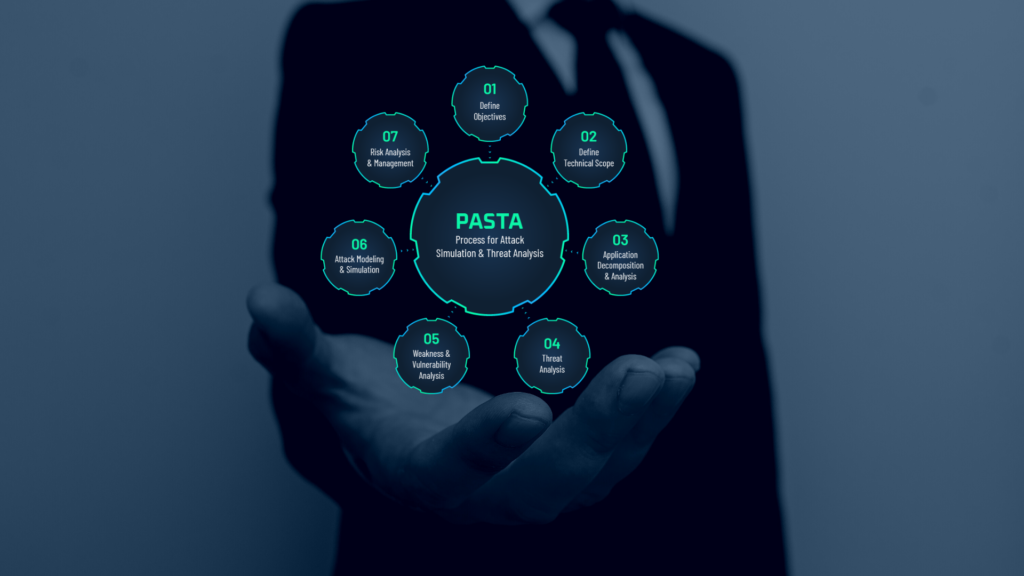
VerSprite applies PASTA (Process for Attack Simulation and Threat Analysis), the risk-centric, seven-stage methodology our CEO co-created, to prioritize the most probable and impactful threats to your organization. → PASTA Threat Modeling
- /
- /
- /
- /
- /
- /
- /
- /
- /
- /
- /
- /
- /
- /
- /
- /
- /
- /
- /
- /
- /
- /
VerSprite MSS & MDR Key Benefits
Relentless protection through round-the-clock monitoring and response; expert insight from skilled analysts and threat hunters; rapid incident response to minimize breach impact; proactive defense through threat hunting and advanced detection; and simplified compliance through regular assessments and reporting.
- /
- /
- /
- /
- /
- /
- /
- /
- /
- /
- /
- /
- /
- /
- /
- /
- /
- /
- /
- /
- /
- /
Industries We Serve
VerSprite delivers MSS & MDR across industries where security failures translate directly to financial loss, safety risk, or regulatory exposure:
Financial Services & FinTech
24/7 monitoring of banking, payment, and financial infrastructure; real-time detection of fraud, account takeover, and unauthorized access; rapid containment to reduce financial and regulatory impact.
Healthcare & Life Sciences
Continuous monitoring of clinical systems, ePHI, and connected devices; detection of ransomware and data exfiltration; rapid response aligned to HIPAA.
SaaS & Technology Providers
24/7 monitoring across cloud-native, hybrid, and multi-tenant environments; detection targeting authentication, APIs, and production infrastructure; expert-led threat hunting.
Retail & E-Commerce
Real-time monitoring of commerce, payment, and account environments; detection of credential stuffing and fraud; rapid response during peak periods.
Manufacturing & Critical Infrastructure
Monitoring across enterprise and operational environments; detection targeting IT/OT convergence; rapid containment to prevent operational or safety impact.
Free Download
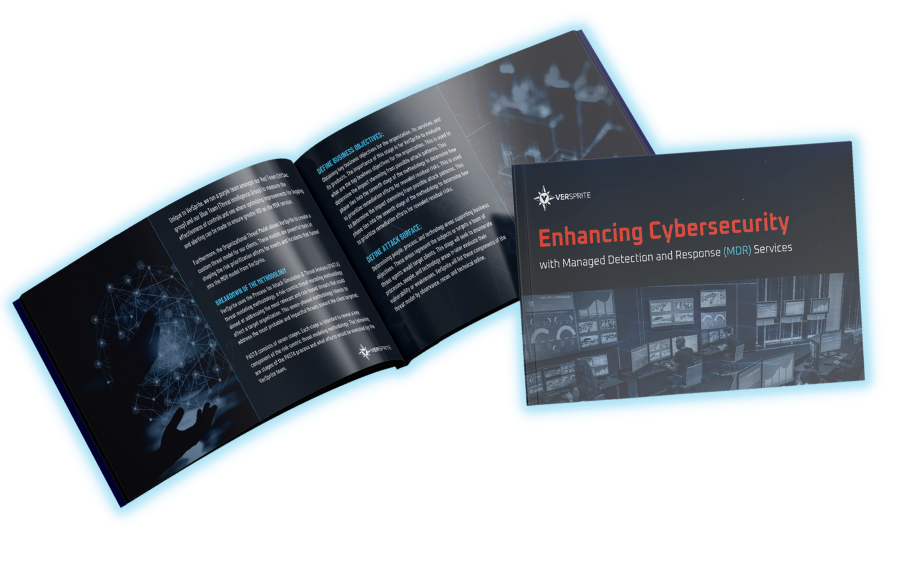
Download the MSS & MDR White Paper
Make an informed decision to enhance your security posture.
Frequently Asked Questions
- /
- /
- /
- /
- /
- /
- /
- /
- /
- /
- /
- /
- /
- /
- /
- /
- /
- /
- /
- /
- /
- /
Resources







We’re Not a Vendor
We’re Your Security Partner
- Risk-centric security
- True extension of your team
- Executive-level experience
