Technology Cybersecurity Solutions
Ensure Security and Stay Competitive
- /
- /
- /
- /
- /
- /
- /
- /
- /
- /
- /
- /
- /
- /
- /
- /
- /
- /
- /
- /
- /
- /
How to Use Your Custom Threat Library: PASTA Threat Modeling
- /
- /
- /
- /
- /
- /
- /
- /
- /
- /
- /
- /
- /
- /
- /
- /
- /
- /
- /
- /
- /
- /
What Is Technology Cybersecurity?
Technology cybersecurity is the practice of protecting software platforms, applications, APIs, cloud environments, and development pipelines from cyber threats, securing the products technology companies build, not just their internal IT. Because technology and SaaS companies ship fast, run in the cloud, and expose APIs and integrations, their security must keep pace with rapid release cycles and a large, externally-facing attack surface. Effective technology cybersecurity embeds protection into the software development lifecycle (SDLC), a “shift-left,” secure-by-design approach rather than bolting it on after release.
- /
- /
- /
- /
- /
- /
- /
- /
- /
- /
- /
- /
- /
- /
- /
- /
- /
- /
- /
- /
- /
- /
The Technology Sector Threat Landscape
Technology companies are among the most targeted organizations, largely because of their APIs, cloud footprint, and software supply chains:
- 87% of organizations experienced an API-related security incident in the past 12 months (Akamai API Security Impact Study, 2025).
- Daily API attacks per organization rose 113% year over year — from 121 to 258 (Akamai State of the Internet, 2025).
- Gartner projected 45% of organizations worldwide would experience a software supply chain attack by 2025 — roughly triple the 2021 level (Gartner).
- Over 454,600 new malicious open-source packages were identified in 2025, a ~75% year-over-year increase (Sonatype State of the Software Supply Chain, 2025).
- /
- /
- /
- /
- /
- /
- /
- /
- /
- /
- /
- /
- /
- /
- /
- /
- /
- /
- /
- /
- /
- /
Technology Security Services
Secure Software From the Start
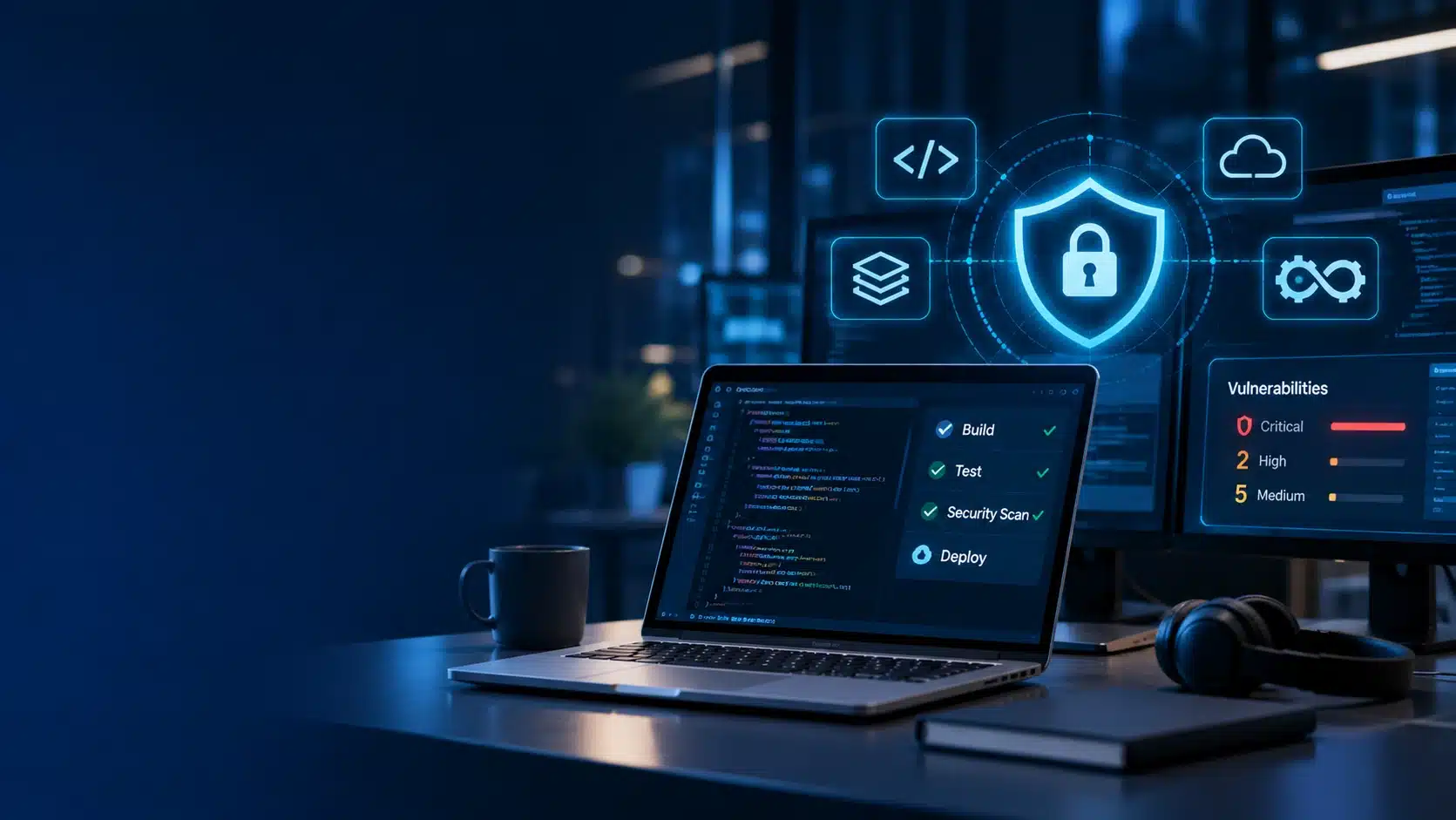
Automated building, testing, and deploying provide the consistency and velocity to support customers with continuous updates — and the opportunity to embed security best practices into the Software Development Life Cycle (SDLC).
→ DevSecOps
Environment Hardening
Most organizations lack the time and security knowledge to keep up with evolving threats. VerSprite’s DevSecOps team prioritizes and implements controls using a risk-based approach customized for your technology stack — making your environment resilient to downtime and resistant to attack, with automated scripts that fit your processes.
→ Environment Hardening
Cloud Security Audits
Our standard cloud audit runs hundreds of checks against your cloud infrastructure (AWS, Azure, GCP), delivering an integrated control audit of security gaps with prioritized recommendations that factor in your organization’s priorities and risk appetite.
→ Cloud Security
Application Security Testing
A more evolved approach to AppSec: we build custom attack patterns that map to application use cases through manual exploitation against any application type — from mainframe-supported systems to client-server apps — feeding a risk-centric threat model that clarifies what’s at stake.
→ Application Threat Modeling
- /
- /
- /
- /
- /
- /
- /
- /
- /
- /
- /
- /
- /
- /
- /
- /
- /
- /
- /
- /
- /
- /
Technology Cybersecurity Solutions FAQs
What are technology cybersecurity solutions? Technology cybersecurity solutions are specialized services designed to protect software platforms, applications, cloud environments, and digital infrastructure from cyber threats. These solutions help technology companies secure their products while maintaining innovation and scalability.
Why is cybersecurity important for technology companies? Technology companies are frequent targets for cyberattacks due to their intellectual property, user data, and scalable platforms. Strong cybersecurity helps prevent breaches, protect innovation, and ensure customer trust in digital products.
What challenges do technology companies face in cybersecurity? Technology companies often face challenges such as rapid development cycles that outpace security controls, cloud and multi-environment complexity, API and integration vulnerabilities, balancing security with innovation and speed, and evolving threats like ransomware and supply chain attacks.
What is included in technology cybersecurity solutions? Technology cybersecurity solutions typically include secure software development lifecycle (SDLC) integration, DevSecOps and CI/CD pipeline security, cloud security audits (AWS, Azure, GCP), application security testing and threat modeling, environment hardening and configuration management, and continuous monitoring and vulnerability management.
What is secure-by-design in technology security? Secure-by-design is an approach that integrates security into the earliest stages of product development. It ensures that security is built into applications and systems rather than added after deployment.
What is DevSecOps? DevSecOps integrates security into development and operations pipelines, embedding automated testing and controls across the CI/CD lifecycle so vulnerabilities are caught early without slowing delivery.
How does cloud security impact technology companies? Cloud security protects infrastructure, applications, and data hosted in cloud environments. It includes configuration management, identity access control, and continuous monitoring to prevent unauthorized access and misconfigurations.
What is application security (AppSec)? Application security focuses on identifying and fixing vulnerabilities in software applications through testing, code analysis, and threat modeling to prevent exploitation by attackers.
How does threat modeling improve security? Threat modeling identifies realistic attack paths against your applications and infrastructure and prioritizes risks by business impact, so security effort focuses on the threats that matter most rather than generic vulnerabilities.
What makes VerSprite’s technology security solutions different? VerSprite uses a risk-centric approach powered by PASTA threat modeling to simulate real-world attacks. Its methodology helps technology companies prioritize security efforts based on actual threats and business impact rather than generic vulnerabilities.
What is the difference between technology cybersecurity and enterprise cybersecurity? Technology cybersecurity focuses on securing software products, platforms, and development pipelines, while enterprise cybersecurity focuses on protecting internal IT systems and business operations.
When should technology companies invest in cybersecurity solutions? Technology companies should invest in cybersecurity when developing new products, scaling cloud environments, integrating APIs, or handling sensitive user data in SaaS or platform-based systems.
What are the risks of poor cybersecurity in technology companies? Poor cybersecurity can lead to data breaches, intellectual property theft, platform compromise, service outages, and loss of customer trust, directly impacting growth and revenue.
- /
- /
- /
- /
- /
- /
- /
- /
- /
- /
- /
- /
- /
- /
- /
- /
- /
- /
- /
- /
- /
- /
VerSprite Resources

Digital AdTech Firm’s CTO Focuses on Strategic Cybersecurity Alliances to Build Resiliency for Digital Turbine
Read More
Zero Trust – a Trendy Buzzword or a Future of Cybersecurity?
Zero Trust security is the hot trend and a buzzword in the cybersecurity world right now. But what is behind the buzz? How exactly does Zero Trust work? In this article, we break down what Zero Trust actually is and the reality of its implementation.
Read More
PASTA Threat Modeling – One Day Training
This presentation walks through PASTA Threat Modeling, the Process for Attack Simulation on Risk Analysis, presented at AppSec California 2015.
Read More
PASTA Threat Modeling RACI Diagram
RACI (Responsible – Accountable – Consulted – Informed) is a role distribution diagram used in PASTA threat modeling methodology. It helps companies adopt threat modeling, and leverage the roles within an organization and its InfoSec department. It is a clear visual to save your team time and resources.
Read More
Risk-Centric Application Threat Models
The Process for Attack Simulation and Threat Analysis (PASTA) is a new process for the analysis of cyber threats by focusing on business impacts and with the ultimate objective of protecting the company digital assets such as data and critical business functions.
Read More
We’re Not a Vendor
We’re Your Security Partner
- Risk-centric security
- True extension of your team
- Executive-level experience
